
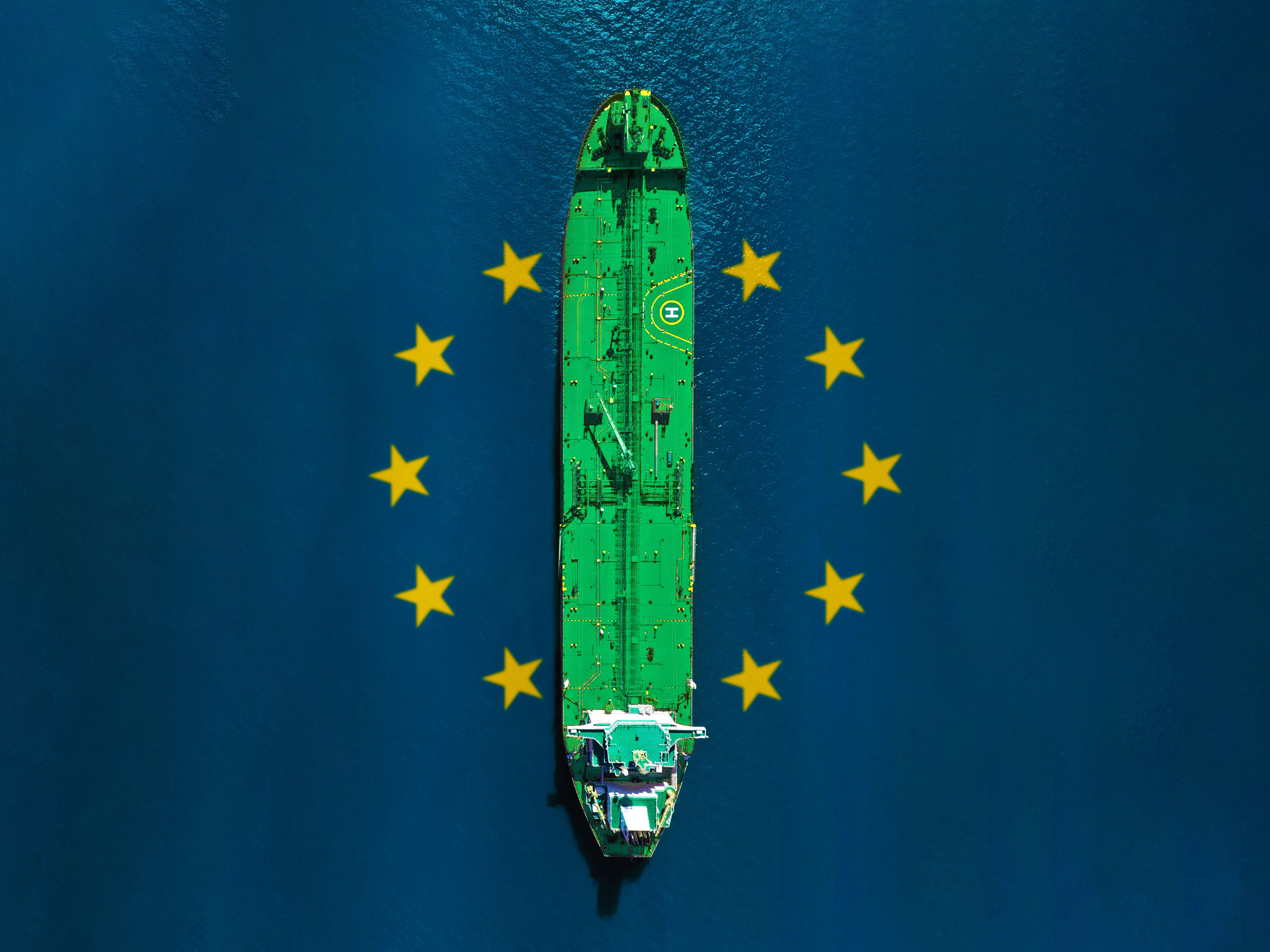
Shortsea Shipping (SSS) refers to the maritime transport of cargo and passengers between ports located geographically in Europe or between European ports and ports in non-European countries whose coastline lies on the enclosed seas bordering Europe.
This definition, established by the European Union, includes:
Shortsea shipping covers all types of vessels and services, including feeder services along the coast and connections to islands, rivers, and lakes.
As a result, shortsea shipping is not simply a transport mode—it is a fundamental component of the European logistics and trade network.
Shortsea shipping plays a strategic role in Europe’s transport system, providing economic, environmental, and operational benefits compared to other transport modes.
Today, it carries around 60% of maritime cargo within the European Union, making it one of the most important components of intra-European trade.
Its importance lies in its ability to:
Shortsea shipping also contributes significantly to the economic development of regional and island areas, strengthening connectivity and supporting local economies.
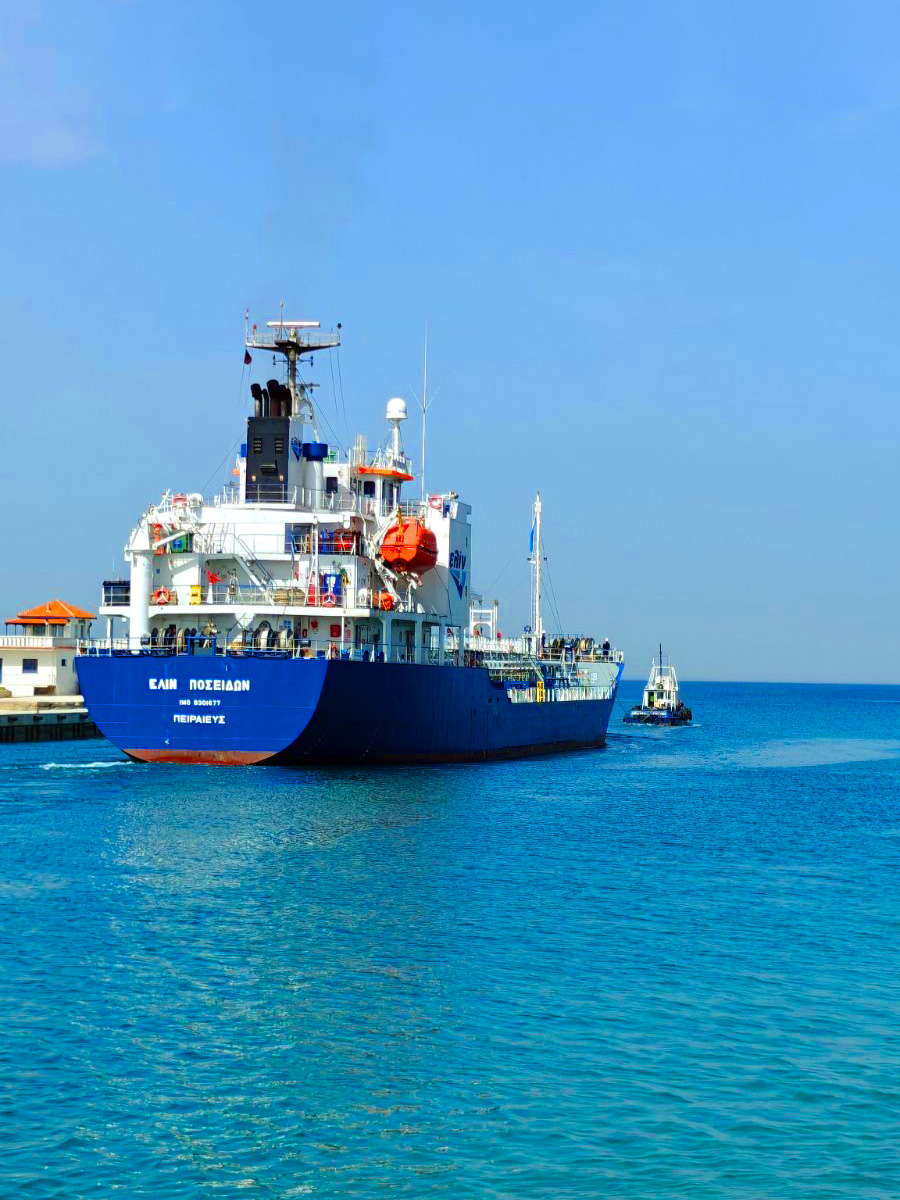
The European Shortsea Network includes national Shortsea Promotion Centers across Europe, working together to promote sustainable maritime transport and strengthen the role of shortsea shipping within the European logistics system.
Shortsea shipping offers competitive transport costs, particularly for bulk cargo and large freight volumes.
Shipping services provide consistent, reliable schedules and predictable delivery times, supporting efficient supply chains.
The shortsea network connects ports across Europe and neighbouring regions, ensuring extensive geographical coverage.
Shortsea shipping is one of the most energy-efficient transport modes, producing lower emissions per tonne-kilometre compared to road transport.
By shifting cargo from road to sea, shortsea shipping helps reduce traffic congestion, improve road safety, and lower social and infrastructure costs.
Maritime transport is considered one of the safest transport modes, particularly for large volumes of cargo.
The European Commission recognises shortsea shipping as one of the most environmentally efficient transport solutions.
For this reason, the EU has developed active policies and initiatives to promote shortsea shipping, particularly as part of broader goals for:
Already in the 1990s, shortsea shipping was the only transport mode capable of keeping pace with the rapid growth of road transport.
Between 1995 and 2002, both road and maritime transport increased their transport performance by approximately 25%, with shortsea shipping carrying around 40% of total freight in Europe, compared to 45% carried by road transport.
Recognising its strategic value, the European Commission developed a promotion programme including 14 key actionsto strengthen shortsea shipping and remove barriers to its development.
These policies were later structured into three main categories:
Policies designed to improve regulatory conditions and remove administrative barriers.
Measures supporting infrastructure development, digitalisation, and operational efficiency.
Initiatives aimed at improving logistics integration and strengthening maritime services.